
A seasoned conservation professional with a lot to learn about equity.

A research blog dedicated to understanding how learning supports or doesn’t support equity in our fight to protect our planet.
Before digging into the ‘what’ and ‘why’ behind this blog, here’s a bit about me. My name is Charlene and I live near Chicago, IL with my husband, sister, 2 Pitbull mixes, and a very long haired cat. I have been passionate and dedicated to conservation for 20 years, specifically in the Pacific Northwest and Central U.S.. Although I’ve worked, volunteered, and led in this space for two decades, until recently I was unaware of the history and ideologies for much of the current-day conservation movement. My career includes working in beautiful places, wrestling over wicked ecological problems, conducting social science research, and working with others to address our global environmental challenges. For a majority of this time, however, the harms experienced by brown, black, impoverished, and indigenous/native communities/nations in this seemingly noble effort were mostly invisible to me.
I am a biracial woman, half black and half white, with an American Army father and German mother. Many people (including myself) assumed that my lived experience as a person of color meant that I understood how to ensure that diversity, equity, inclusivity, justice, acceptance, and belonging (DEIJ AB)1 should and could be a part of the conservation industry. This long held assumption about myself was challenged after the murder of George Floyd2 in Minneapolis, MN in 2020. Floyd’s death catalyzed riots, protests, and conversations about the systems of power that have led to hundreds of years of injustice, racism, and prejudice. I lived in the Twin Cities (Minneapolis/Saint Paul), where this energy, frustration, and fear was palpable. For the first time in my life, I came off the sidelines and added my voice to growing dialogue. I was particularly active in exploring how inequity presented itself in the environmental sector. I started to unpack the tenants of white supremacy culture 3, participated in DEIJ-centered grant making, and made a stance against performative social media posts in response to Floyd’s murder. I thought I had started to figure out how to center equity; however, the opportunity to speak on the subject challenged me further.
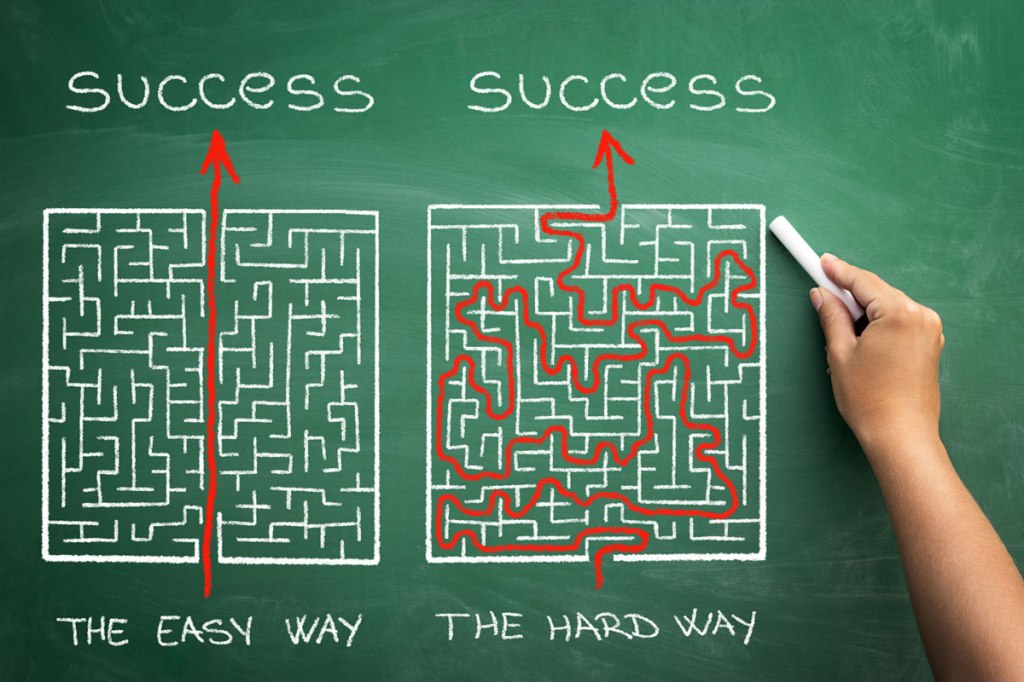
During the summer of 2020, I was asked by a partner organization to give a presentation on equity. At the time, I was an Executive Director in Wisconsin for a small land trust and one of very few people of color in the land trust/conservation non-profit community in the state. Proudly, I raised my hand and with a bit of support from others, stepped into one of the most well intended and horribly misguided presentations of my life thus far. Equity is critical and yet, I wasn’t a key speaker, but rather a part of a breakout group where 5-6 people showed up. The sting that comes with feeling disrespected washed over me. I had spent weeks struggling with the story I wanted to tell and reflecting on the personal anecdotes of micro-aggressions and tokenism that I experienced. I used personal capital to help people respond to what the protest cries and riots were demanding. Maybe it was good that only a few people prioritized this session, because I told them a narrative that gave permission to go slow, learn, and stay curious. With a rather comical image of a man shaving with a chainsaw, I told folks to not overcorrect or do too much cause it will only cause damage.
Copyright: ©Cherries – stock.adobe.com
In hindsight, this was too simplistic. I feel like I allowed a group of people to use my story, my journey, and my pain to dilute the need for critical thought and action. I can’t speak for those who attended, but in my nightmares, I hear people walking away saying ‘see…. this nice, brown lady says its going to be okay…. so we should be fine’. Frankly, I probably told them what I would have wanted to hear. This moment in time was overwhelming and we were woefully unprepared, even some of us brown folks.
Although reactionary 4, I saw a smidgen of hope for real change for Diversity, Equity, Inclusivity, and Justice in conservation amongst the flurry of promises, statements, commitments, workshops, new hires, and trainings. Hidden within the performance, there was a seed of a community eager to talk about these issues in a real way. A group of people, I didn’t know existed! A group of people I didn’t realize I wanted to know! Along with the global response to police brutality and injustice, the COVID pandemic raged. Being homebound forced new virtual connections, which went from being novel to life-giving. Through these safe spaces, I became more committed to unpacking my assumptions, my personal bias, and the systems that have allowed the conservation movement to take shape over the last 170 years 5. What had been masked started to become more visible. I didn’t have solutions, but I was distinctly more aware and more vocal with friends, family, and colleagues.
This independent research study and blog is an extension of my personal and professional journey to center equity in our conservation both in thought and in action. I have spent a few years reflecting on my 2020 presentation and the many questions that have emerged since, especially around the role of ‘learning’. I am a little nervous to be putting this question and effort out into the universe, but I know there is a wonderful community around me.
Question: Any pivotal moments that challenged and/or transformed your understanding or work around equity?

- Sancho Education. (n.d.). Dei Jab. https://sanchoeducation.com/dei-jab ↩︎
- Hill, E., Tiefenthäler, A., Triebert, C., Jordan, D., Willis, H., & Stein, R. (2020, June 1). How George Floyd was killed in police custody. The New York Times. https://www.nytimes.com/2020/05/31/us/george-floyd-investigation.html ↩︎
- Okun, T. (n.d.). Characteristics of White Supremacy Culture. overcomingracism.org. https://overcomingracism.org/wp-content/uploads/2019/11/HANDOUT-SHARED-Characteristics-of-White-Supremacy-Culture-original-1.pdf ↩︎
- Gaudiano, P. (2022, November 8). Two years after George Floyd’s murder, is your dei strategy performative or sustainable? Forbes. https://www.forbes.com/sites/paologaudiano/2022/06/27/two-years-after-george-floyd-is-your-dei-strategy-performative-or-sustainable/?sh=3109a21b6aaa ↩︎
- Taylor, D. E. (2016). The rise of the American conservation movement: Power, privilege, and environmental protection. Duke University Press ↩︎
 Learning That Moves: Advancing Equity in United States Based Conservation
Leave a comment