Literature Review Part 3: What investments and tools, do United States based, conservation organization utilize to support and center equity? How has this changed with shifting social narrative in 2025?
Where do you feel most supported in your work around equitable conservation?
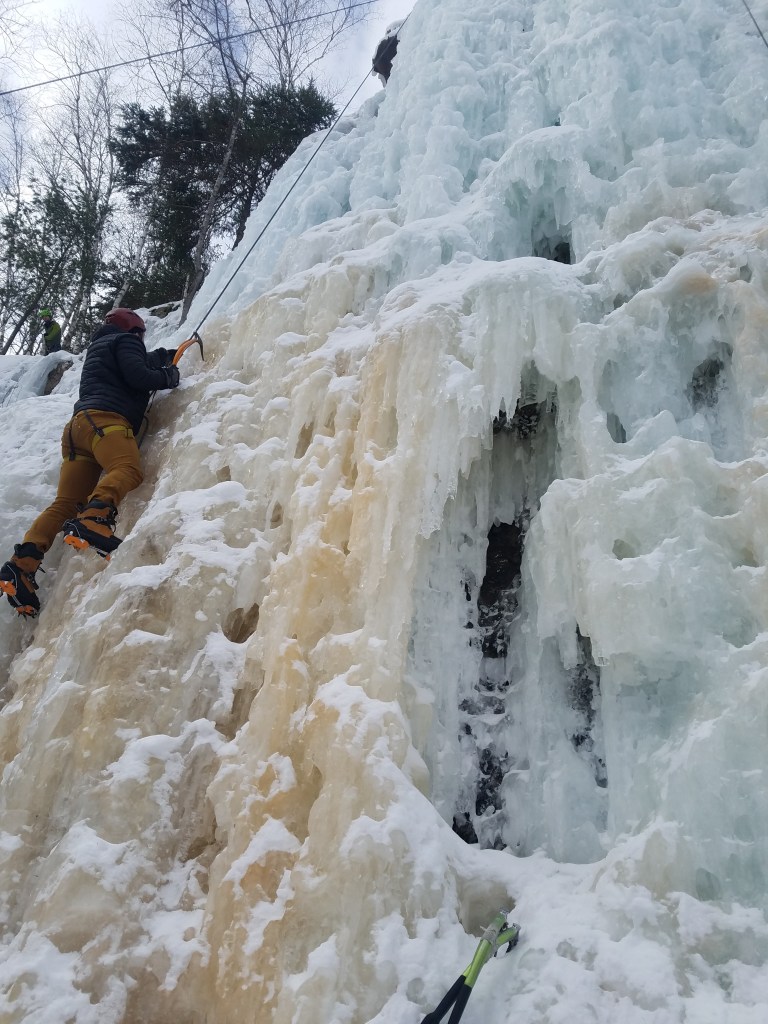
Photo Caption: A hike at Wapta Falls in Yoho National Park, Banff, CA
Equity in Conservation: A Pressing Transformation Underway
‘By 2100, the rate of heat-related deaths from climate change will be comparable to the current rate of deaths from all types of cancer’! (Chancel, 2023)1, with poor communities around the world suffering more.
Social and environmental inequities continue to pile up as each year gets hotter, along with the urgency to address them. Equity cannot be treated as a fringe concept in conservation; it must be a core value, placed right alongside ecological outcomes. I know I’m not alone in this thinking!
For me conservation was rather straightforward early in my career. Set aside ‘large beautiful places + make sure people don’t muck it up + give the birds, bees, and blossoms a voice = yay, we have saved the planet!’ Once I started to unpack this narrow description, it became clear that my work and perspective needed to broaden… and fast. So many, like myself, are being called to look at conservation with a different lens.
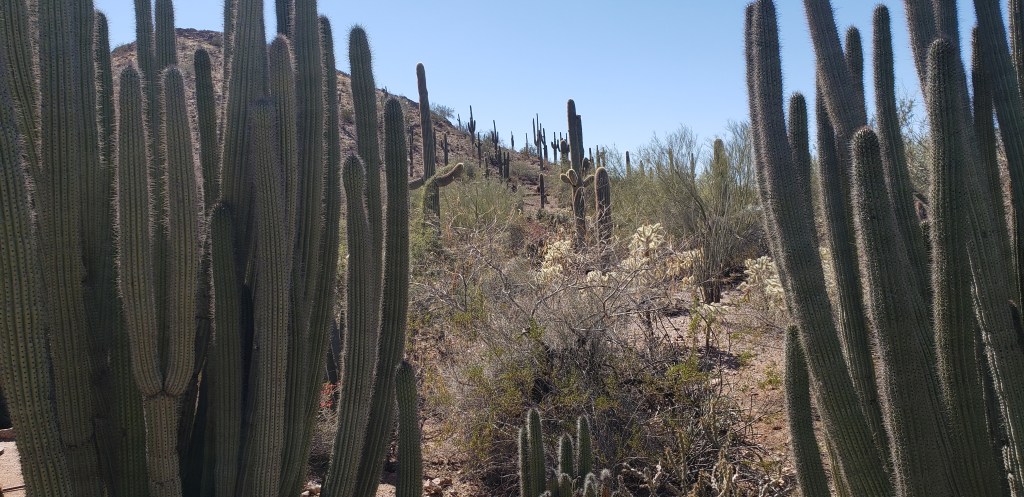
Over the last seven years, as I have dug into this work both professionally and personally, I have come across many committed individuals and organizations. As well as incredible resources aimed to guide and support this shift towards work that names, acknowledges, and promotes a fair distribution of power, costs, and benefits. Individually and across institutions, the scale of this dialogue has grow substantially. Images to Left: Phoenix Botanical Gardens, where it was 118 degrees Fahrenheit in August 2025. A new record high (AZ Central, 2025)2.
Thankfully, organizations, universities, community groups, native nations, and so many are working together for a bigger, more inclusive conversation. Through storytelling, guidebooks, frameworks, white papers, case studies, etc. people have more resources than ever. Although, I hope readers find value in this blog, I’ve already learned more than I could have imagined. I am grounded and appreciative of the time to reflect, read deeply, and write openly. It is a privilege to share some of the assets that have inspired me to immerse myself further in an equitable future.
Finding A Community That Is Open to the Challenge
Through my own experiences, I found that I can not have real, curious, and earnest conversations about power and privilege with everyone, including some of my hard-working and dedicated conservation peers. Talking about historical injustices can be awkward, leading to performative dialogue, unwillingness to engage, or blank stares. This becomes especially clear when people recognize how they have benefited from the injustice (which applies to nearly all of us), or when they feel that acknowledging one group’s history somehow diminishes their own struggles.
For me, I didn’t feel truly grounded and supported until I connected with others that are willing to face the painful parts of this work. Thankfully, there are many people that creating space to challenge ourselves with care, while being hard on the systems that sustain inequities. I soon found myself surrounded by people, who were just as eager to talk about the stuff that used to be invisible for me. To my surprise, I was already working alongside many of these folks and had no idea. My relationships with fellow board members, professional peers, and friends became more dynamic and discovered a community right under my nose.
Just a Few Individuals That Give Me Strength and Inspiration
I also quickly realized an even larger coalition existed across the U.S. Linked below are just a few snippets of those that have unknowingly lifted my spirits in this work.
Parker McMullen Bushman, aka Kween Werk, is unapologetically passionate about shining a light on the stark reality of environmental injustice. Parker blends over 25 years of experience in environmental education, DEI consultation, and organizational development. Parker’s Patreon highlights the breadth of her passion with inclusive hikes, trainings, and a wide-spread social media presence (Werk, 2021)3.
Dorceta E. Taylor is an environmental sociologist who specializes in environmental justice and racism in the environmental movement. In 1991 she became the first Black woman to earn a Ph.D. from Yale’s School of Forestry and Environmental Studies. Taylor is now a professor of environmental justice and the senior associate dean of Diversity, Equity, and Inclusion at Yale School of the Environment. Her books, including Toxic Communities and The Rise of the American Conservation Movement, give an intricate detail of the dynamics of the environment over the last 200 years (Blackpast, 2025) 4.
I am obsessed with Dr Michelle Rodrigues’s Ted Talk “Who Gets to Be Our Conservation Heroes?” and her blog Spider Monkey Tales. She unpacks how colonization shapes our work, research, and relationships with primates. And even more broadly, who gets access to funding and whose stories are told in the successes of wildlife conservation.
“We have to be comfortable talking about the hopeful and the inspirational without erasing the history of land theft, marginalization, and genocide”. Angelo Villagomez’s experience and words resonate deeply. . Starting with a career focused on oceans, Angelo’s career evolved to now focus on Indigenous-Led conservation and the critical work these communities lead. He speaks boldly about the duality of celebrating the small and big steps we are taking for our environment, while also naming the negative impacts of the social and economic systems that continue to threaten our world.
More People Waking UpEvery Day to Lead This Work
Book Clubs, Podcasts, and Peer Groups
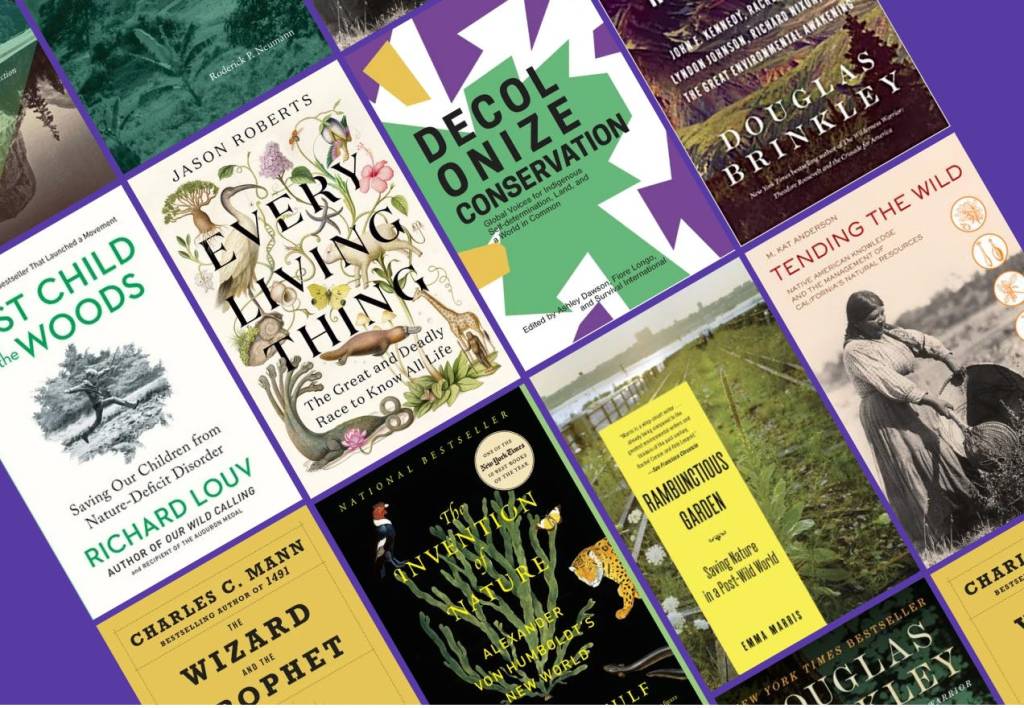
Gaining and sharing new perspectives can feel overwhelming and I find book clubs and podcasts are great ways to engage in this space. I have participated in several book clubs over the last few years through work and like-minded community groups. With stories that included Evangelical Christian wheat harvesters in the Great Plains (Mockett, 2020)5, queerness in all facets of our planet (Kaishian, 2025)6, decolonizing wealth (Villanueva & Barber, 2021).7, and the tales of species, such as beavers (Goldfarb & Damron, 2018)8, buffalo (Rinella, 2009) 9, and turtles (Montgomery & Patterson 2024)10.
“Stories are for joining the past to the present. Stories are for those late hours in the night when you can’t remember how you got from where you were to where you are. Stories are for eternity, when memory is erased, when there is nothing to remember except the story.” – Tim O’Brien
My own world is enriched by the colorful menagerie of stories shared by others. Book clubs challenge my patterns of thinking, as well as the type of stories I reach for daily. For example, ‘American harvest: God, country, and farming in the Heartland‘ was an unexpected read. Although I found portions of the book ideologically challenging, I am grateful it was selected. Digging into this anecdote, helped me revisit my mind-sets around how we view ‘land’, the role of white, religious settlers, and some long-held assumptions about these communities. These groups aren’t just for book lovers, but are vital spaces for all to explore the soul.
Sometimes reading a whole book just isn’t in the cards. With constant demands on my time, I find committing to a 300 page book or listening to a 7 hour audio book too much. Podcasts are a fabulous alternative with more bite-sized stories that are easily accessible for free. I recently discovered ‘Breaking Green Ceilings’11 hosted by Sapna Mulki. With over 60 episodes, Sapna spotlights passionate environmentalists we don’t often hear from or hear enough from including those from underrepresented groups. Similar to Dr. Rodrigues question ‘How do we expand our celebration of conservation heroes?”, this podcast gives me a whole new appreciation for a world filled with leaders wanting to protect our planet. Tapping into podcasts is a great way to include more people into structured conversations that allow participants to connect on a shared topic.
In addition to structured groups focused on talking about books and podcasts, there are support groups that provide a vital space for professions to collaborate and share best practices. For example, one of my favorites, the Community of Practice for Wisconsin’s Conservation Community is a network that brings together over 100 environmental education and conservation groups to collectively advance DEI and justice in their work. Davon Cook of Pinion, LLC highlights the importance of such peer groups, noting that participants benefit in five key ways: executive education and training, information and resource sharing, new idea sharing with “tough love” input on business challenges, and personal support (Foltz, 2025)12. Through facilitated discussions and a shared commitment to equity, these support groups help members achieve their DEIJ goals and provide a vital network for professional and personal growth.
Humans are biologically hardwired to use narrative and social connection as a way to organize our thoughts. Book clubs, podcasts, and peer groups have given me a way to process the world around me with trusted colleagues. These groups allow us to explore multiple truths with humility. They are dedicated spaces that prompt a reminder of realities outside of our own that ask us to listen, notice gap, and imagine other’s needs. And most importantly, they are inclusive and available to everyone. Interested in how to set up a book club at work or in the community, there is a lot to learn from organizations, such Online Optimism13 and Iowa State University14
Please note due to changes in recent political and social dynamics in the U.S., many groups are reframing, reorganizing, pausing, and/or renaming. Look at key words, such as ‘community of practice’ and ‘culture and engagement’.
Dedicated Roles
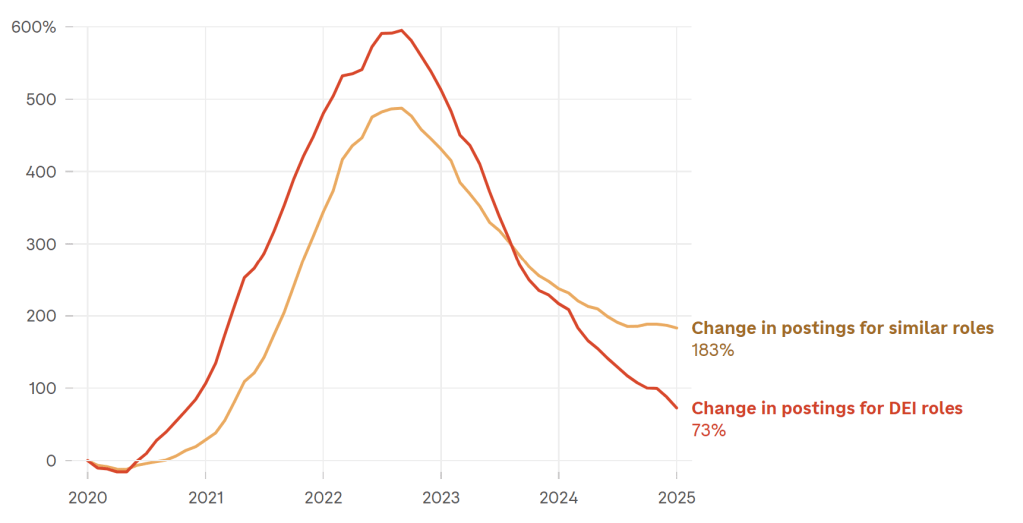
Over the last few years, there has been a surge in conservation groups bringing on equity-focused staff, whose roles are to push systems change from the inside. Across the country, DEI roles more than doubled to over 20,000 by early 2023, though they’ve since taken some hits, with thousands of cuts and fewer new hires (Aspen, 2025)15. The DEI workforce decline is the result of multiple factors, including economic pressures leading to budget cuts, political backlash against DEI initiatives, and companies potentially incorporating DEI responsibilities into other departments, such as Human Resources.
Source. Revelio Labs analyzed U.S. job postings, as reported online, from a set of 2.4 million companies. DEI roles are defined as those with titles containing keywords such as “DEI,” “diversity,” “equity,” “inclusion” and other related terms.
Pew found that about a third of workplaces had someone dedicated to DEI and that most folks saw them as a good thing (Pew Research Center, 2023), even as attitudes grew more negative in 2024 (Pew Research Center, 2024). Still, conservation is moving forward: American Rivers now has a Senior Director for Equitable Conservation, The Nature Conservancy in Ohio a Director of Equity in Conservation, and the Conservation Law Foundation a Senior VP of Equity + Culture. Even the job titles are shifting toward phrases like ‘Equitable Conservation or Culture + Equity’, I am hopeful that equity isn’t extra, it’s the lens shaping what real stewardship looks like.
Case Studies
Nothing gets me more excited than seeing others work in action even when it doesn’t go as hoped! Case studies give us that opportunity. They are a deep dive into a real-life example to unpack the ‘what, why, and how’ of a body of work. Think of them as stories told in a way that pulls out the lessons so others can use them too. Case studies particular to equitable conservation showcase:
Realities of day-to-day life within local communities
What scaling equity looks like inside institutions
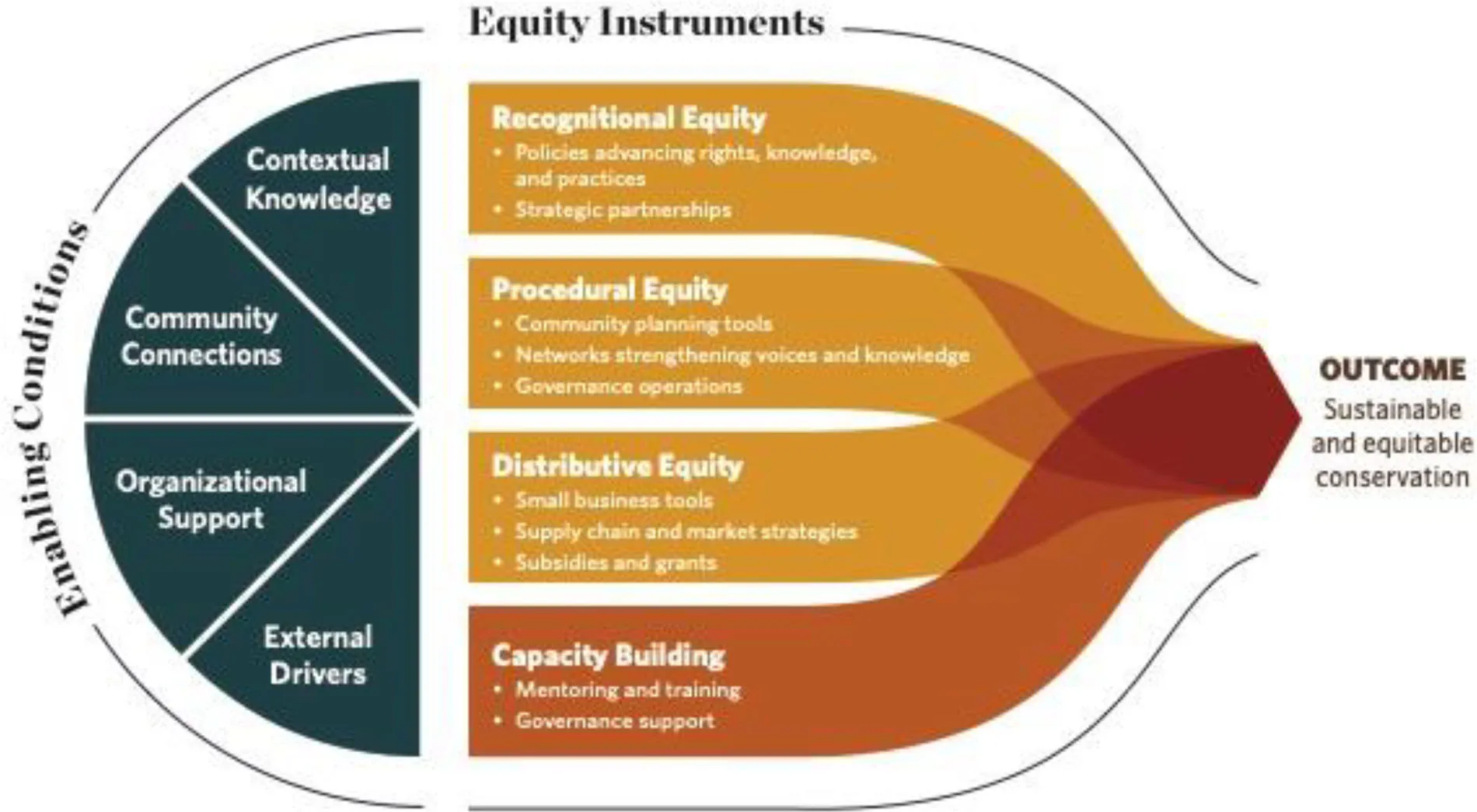
The enabling conditions that make equity possible
Seeing other’s stories opens a window to an increased sense of possibility and confidence about a more equitable future.
Fostering equity requires sensitivity to political, social, and historical dynamics, coupled with institutional willingness to shift power rather than merely share benefits. For example, The Nature Conservancy’s “Analysis of Access to Freshwater, Fishing, and Aggregated Rights by Ribeirinho Communities in the Tapajós River Basin” showcases how systemic planning processes that actively include Indigenous land and knowledge have essential (The Nature Conservancy, 2021) 16 . Scaling equity often requires institutional transformation, as seen in the National Wildlife Federation’s Equity and Justice Strategic Plan (National Wildlife Foundation, 2024)17 and mapping tools. We can also learn from the challenges organizations face to make the changes they espouse, including the National Audubon Society’s recent reckoning with its name (National Audubon Society, 2024)18.
Sometimes things don’t go to plan and those moments often hold the biggest lessons. I once led a regional conservation planning effort that centered equity alongside ecological goals. Over a year-long process with more than 80 participants, we created space for dialogue and reflection, ultimately selecting strategies we felt could achieve both aims. Yet once teams began their work, equity quickly fell away, absent from the final theories of change and work plans. Disappointment is an understatement! Still, the experience taught me something critical: leadership and teams must set clearer expectations and accountability beyond the planning phase and into the implementation.
Salazar Center for North America Conservation (2021)19 put together a wonderful document filled inspiring case studies, see a link to ‘Weaving the Strategies Together’ below.
“Don’t tell me what you value, show me your budget, and I’ll tell you what you value.” – James W. Frick
Where our money comes from and where it goes, speaks volumes about power, privilege, and the ways conservation is shaped. Using their own megaphones, individuals, organizations, such as philanthropic foundations, and governmental entities, are talking about who holds the purse strings in conservation and whose stories guide the work.
Private philanthropy
For example, The Decolonizing Wealth Project (DWP) is one of the most powerful forces pushing this shift, modeling how money can truly become medicine. I learned about Edgar Villaneuva’s work through a book club! Through its Liberated Capital network, DWP has seeded more than $23 million into Earth-and-Climate, economic reparations, and wellbeing initiatives led by Black and Indigenous communities
DWP is one of several institutions holding up conservation and associated funding as a practice of repair and acknowledgement of community values, rather than erasure. For example, Cultural Survival released a series of blogs and webinars (that includes a Toolkit!) addressing the need to Indigenize Philanthropy. Or Rachel’s Network that works to elevate environmental women leaders engaging in collective learning, funding, and advocacy to create a healthy, thriving, and just world for all!
“If we could use money in a different way, towards a healing, reparative purpose, then money actually can be sacred, something that could be used as medicine.”
GOVERNMENT SPENDING
U.S. Government funding, especially federal has been a bit of a rollercoaster with a tougher short term outlook. I’ve been tracking the wild swings in federal backing for equitable conservation, its been head spinning. With the passage of the Inflation Reduction Act (IRA) in 2022, hopes were high with the biggest investment in climate and energy in U.S. history (Gimont, Mellerio, and Bryant, 2022) 20. IRA unlocked huge support with the USDA funneling billions into NRCS- backed climate-smart agriculture programs covering 11 million acres (Hitchner et al, 2024)21. As well as the EPA launched $27 billion Greenhouse Gas Reduction Fund aimed specifically at underserved communities and local clean energy projects (Reilly, 2024) 22. These wins for conservation, however, have seen a sobering reality of how this work can be feel like two steps forward and one steps back (or more).
In 2025, as the political winds changed, so did the dedicated funding. The USDA has pulled back on more than $148 million across over 145 DEI-focused grants under the banner of “putting American farmers first” and “woke DEI propaganda” (Dike, 2025) 23. As well as hundreds of millions more in conservation and climate-smart agricultural program (Fleetwood, 2025) 24. It’s hard not to feel a mix of encouragement and frustration. Even in the midst of these sudden jolts, there is still a community inching forward for a thriving, healthy, and just planet.
Tools/Frameworks/TRAININGS/RESOURCES
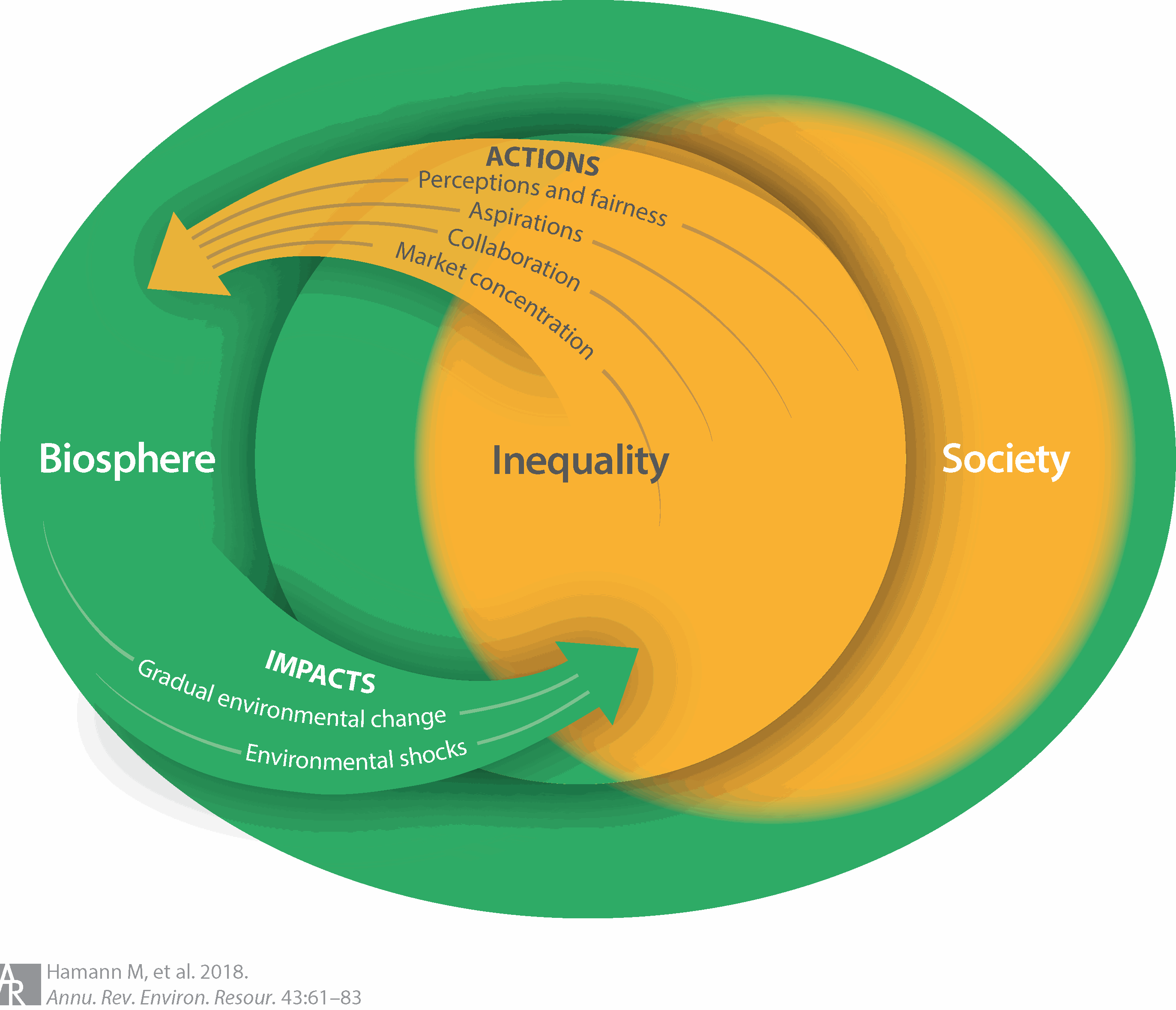
To make sense of how equity shows up in our we care for our environment, numerous researchers, organizations, and individuals have developed frameworks, trainings, and tools to help us move the work of equitable conservation forward. Frameworks give us a skeleton to organize big and sometimes complicated ideas. I routinely rely on these resources when I’m building out new projects and/or adjusting ones already underway. I don’t have to recreate the wheel and have a common way of talking about the work with others (Shyamsundar et al., 2023) (Hampton-Smith, 2024). (Hamann, 2018) 252627. As I get older, the more I realize: you don’t know what you don’t know. That reminder helps me shake off some of the shame that can creep in, especially when I reflect on how parts of my career may have unintentionally reinforced inequities. Trainings like Indian Country 101 give us the perspective we need to build real skills and show up as champions for a more equitable future. I’ll never know everything, but the knowledge empowers and transforms me. The chart below includes links for resources I’ve personally benefited from with an understanding that there are so many more to explore.
FRAMEWORKS ‘Structured guide for thinking’
OTHER TOOLS ‘Items and process that help us with the work’
A Note for Readers: 2025 isn’t the end of this movement
Please note that some of the links may change and/or have already changed. Changes in political and social dynamics in 2025 has led to decreased federal/state funding for this work (USDA, 2025)28, the dissolution of organizations, and attacks on diversity, equity, inclusivity, and justice. Although this makes me angry and flat out disheartened, all is not lost. I am inspired and centered by this take from ‘The Avarna Group’ and Aparna, the article’s author (Aparna, 2025)29.
Aparna’s closing remarks give us an invitation to use the momentum of this shift to getting ourselves back on the offensive. “The anti-DEI movement has forced a necessary conversation. Now that DEI is a lightning rod, it’s time to let go of language that hasn’t served us and focus on what actually matters. If you take this opportunity to reflect and refine how you do this work in alignment with your values, how would you describe it?”
By 2100, heat-related deaths could rival the toll of all cancers today, with poor communities hit the hardest. That’s sobering, but it’s also why equity can’t sit on the sidelines of conservation work. It has to stand shoulder to shoulder with ecological outcomes if we want real solutions.
The good news is that more people are showing up every day, willing to wrestle with the messy parts and redefine what conservation looks like. There will be setbacks, but the momentum is growing. Equity isn’t a side project; it’s the foundation of a future where both people and nature can thrive. There is light though in the midst of this tunnel. The unwinding of long held convictions gives room for a new picture to form, hope for doing things better with care, and strengthen language to support the work of equity.
As my research continues, I find myself left with one question: Are these investments enough to make a long-term difference for our planet?
References
Chancel, L., Bothe, P., Voituriez, T. (2023) Climate Inequality Report 2023, World Inequality Lab Study 2023/1 ↩︎
Hitchner, S., Kadam, P., Bolques, A., Harvey, A., Perry, A., Best, S., Atkins, D., Burke, F., Larson, L., Stukes, K., Cook, S., Graham, B., Bowman, T., Morse, W., & Dwivedi, P. (2024). Promoting equity in the Conservation Reserve Program across the southeastern us. Frontiers in Ecology and the Environment, 22(7). https://doi.org/10.1002/fee.2775 ↩︎
Shyamsundar, P., Marques, P., Smith, E., Erbaugh, J., Ero, M., Hinchley, D., James, R., Leisher, C., Nakandakari, A., Pezoa, L., Preece, L., & Prezotti, G. (2023). Nature and equity. Conservation Letters, 16(4). https://doi.org/10.1111/conl.12956 ↩︎
Hampton-Smith, M., Gurney, G. G., Morrison, T. H., & Cinner, J. E. (2024). Equity in global conservation policy varies in clarity and comprehensiveness. One Earth, 7(11), 1970–1980. https://doi.org/10.1016/j.oneear.2024.09.018 ↩︎
Hamann, M., Berry, K., Chaigneau, T., Curry, T., Heilmayr, R., Henriksson, P. J. G., Hentati-Sundberg, J., Jina, A., Lindkvist, E., Lopez-Maldonado, Y., Nieminen, E., Piaggio, M., Qiu, J., Rocha, J. C., Schill, C., Shepon, A., Tilman, A. R., van den Bijgaart, I., & Wu, T. (2018a). Inequality and the Biosphere. Annual Review of Environment and Resources, 43(1), 61–83. https://doi.org/10.1146/annurev-environ-102017-025949 ↩︎







 Learning That Moves: Advancing Equity in United States Based Conservation
Leave a comment